
Why CITES-Legal, Plantation-Grown Agarwood Matters for Oud Buyers
A bottle of oud can arrive with an impressive story: old trees, a remote forest, a rare harvest. Those details may catch a buyer’s attention, but they leave a practical question unanswered. Can the material be traced and traded legally? For anyone buying across borders, the answer affects whether an order can move from the seller’s shelf to the buyer’s hands. The scent sample and the shipment documents deserve separate attention.
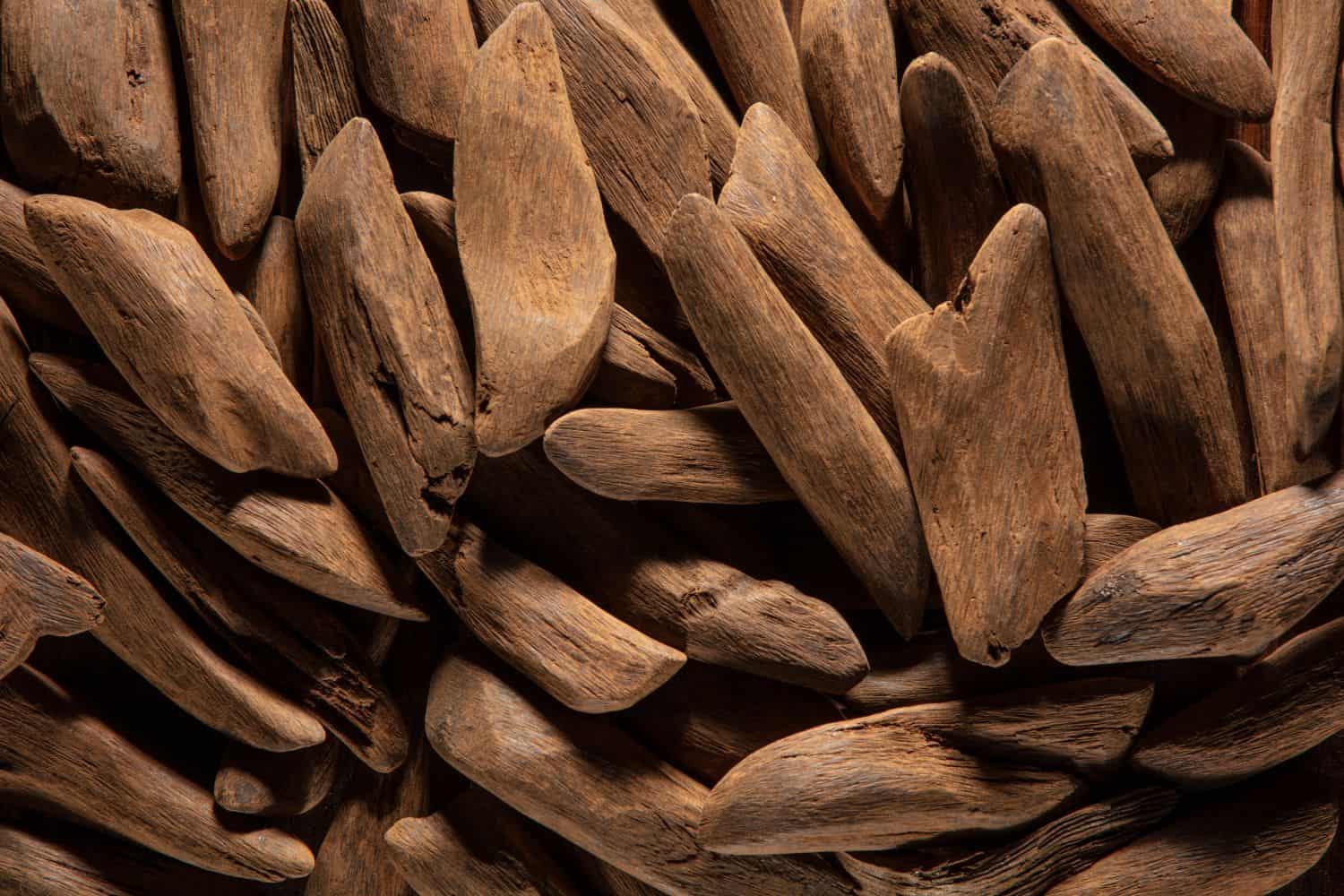
Agarwood comes from resin-bearing wood associated with trees such as Aquilaria. These trees are covered by CITES, the international convention regulating trade in listed wildlife and plants. Plantation cultivation offers an identifiable production source, while the relevant trade documents connect that source to a particular shipment. Together, they give buyers something more useful than a claim that the oil is rare.
Legal trade needs paperwork tied to the goods
Aquilaria species are listed in CITES Appendix II. This allows regulated international trade; it does not impose a blanket ban on buying agarwood. The documentation required depends on the material, the transaction and the destination. Bulk agarwood oil and wood products should therefore be discussed with the exporter and the relevant authorities before a shipping arrangement is agreed.
A description such as CITES-certified agarwood needs to be read carefully. Buyers should ask what it refers to: an exporter’s registration, a permit covering the shipment, or another document. Registration and shipment authorization serve different purposes. A general certificate displayed on a website should not be treated as permission to send any quantity of agarwood to any country.
This matters even for a familiar supplier. An earlier successful delivery does not automatically settle the paperwork for the next order. The product description, species, quantity and parties involved should correspond with the shipment being prepared. Resolving a discrepancy before dispatch is far easier than trying to explain it while the goods wait at a border.
Plantation origin gives buyers a source to investigate
“Plantation-grown” becomes useful when the seller can explain where the trees were cultivated and how the harvested material entered production. A named plantation and a defined distillery give a buyer specific places to ask about. That is a stronger starting point for a sourcing conversation than a broad description such as “Southeast Asian oud.”
Cultivation can provide an alternative to collecting material from wild populations. Its value still depends on the practices behind it. Planting trees does not, by itself, establish every environmental claim a business might make. Buyers can ask about the origin of planting stock, harvest records and the separation of cultivated material from other purchases. The answers help explain what the plantation claim actually covers.
Oudimension provides a Thai example of this model. The company identifies its source as Aquilaria crassna cultivated in Trat and describes an operation combining plantation management, distillation and export. Information about Oudimension’s CITES certification sets out its stated registration and export-documentation arrangements. A buyer can use those details to begin a specific discussion about the proposed order.
Trade compliance and oil quality answer different questions
CITES documentation concerns the regulated movement of listed material. It does not tell a perfumer whether an oil will work in a rose accord, or tell a collector whether its opening will suit their taste. Those decisions require a sample and information about the oil itself. A laboratory report also needs to be read for the tests performed and the batch examined.
Keeping these questions separate makes supplier comparisons more useful. A beautiful aroma cannot resolve missing shipment documents. Equally, complete paperwork does not make every oil suitable for every application. A fragrance business may need a particular aromatic profile and reliable repeat supply; a private buyer may care more about the character of one small bottle. Both still benefit from knowing its source.
A clear origin makes the purchase easier to evaluate
Before payment, bring the commercial and trade details into the same conversation. Identify the product and quantity, establish who will obtain the export documents, and confirm what the receiving country requires. Ask whether the supplied sample represents the lot offered for sale. This creates a shared description of the purchase rather than a collection of reassuring but disconnected statements.
For buyers exploring legally traded Thai oud, plantation origin and shipment documentation are sensible starting points. They provide a basis for checking the seller’s account and planning the delivery. Once that foundation is clear, buyers can spend their attention on the reason they wanted oud in the first place: finding an aromatic material they actually enjoy using.